Bases
Grains, pasta, potatoes, and bread products that anchor meals. Stock quantities depend on household size.
Group items by how they function in meals—bases, aromatics, proteins, produce, and finishes—rather than by vague notions of good or bad foods.
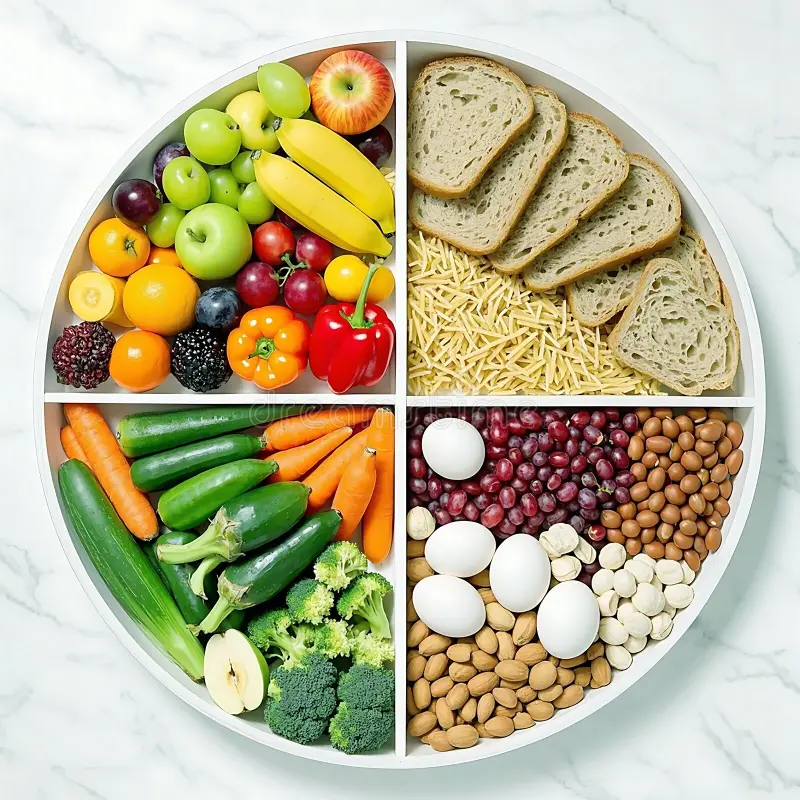
Grains, pasta, potatoes, and bread products that anchor meals. Stock quantities depend on household size.
Legumes, eggs, dairy, seafood, and meats as your household prefers. We do not prescribe amounts for medical diets.
Fresh and frozen vegetables and fruit. Seasonal tables on this page reference typical ACT availability.
Onions, garlic, herbs, and spices that build flavour without relying on single-purpose sauces.
Oils, vinegars, nuts, and seeds added in small quantities. Check labels for allergens relevant to your household.
Canned tomatoes, stocks, and baking essentials that extend menu variety between shops.
Availability shifts with weather and supply chains. Use this table as a planning aid, not a definitive stock guarantee.
| Season | Examples often available | List tip |
|---|---|---|
| Summer | Stone fruit, berries, zucchini, tomatoes | Plan shorter storage for soft fruit |
| Autumn | Apples, pears, pumpkin, mushrooms | Pair with pantry grains for roasts |
| Winter | Citrus, brassicas, root vegetables | Include storage-friendly roots |
| Spring | Asparagus, peas, leafy greens | Buy leafy greens in amounts you will use quickly |
Combine one base, two produce items, and one protein source per meal slot in your plan. Adjust for preferences and cultural dishes you already cook.
Instead of copying rigid meal plans from the internet, document five combinations your household enjoys. Rotate them across fortnights to limit repetition while keeping lists predictable.
Our educational products include blank pairing grids. They do not replace individualized advice from dietitians where health conditions apply.
Frozen vegetables and fruit can reduce preparation time and help use quantities before spoilage. Canned legumes and fish add protein variety with long shelf life. Read labels for sodium and allergen information relevant to your household.
Always verify packaging for allergens. Our content cannot account for every product formulation change.
List items by role, note purchase dates, and mark items nearing best-before dates on packaging.
Identify missing staples that block meals you cook regularly.
Transfer gaps to your next list with quantities tied to recipes, not bulk habits alone.
Printable template with five category columns.
Quarterly update for ACT-focused produce notes.
Spreadsheet for tracking usage between shops.
Information on this page supports grocery organisation only. We do not claim that buying or avoiding any food category will prevent, treat, cure, or alleviate illness, pain, or symptoms. Speak with qualified practitioners for health-related eating decisions.